Anti inflammatory turmeric chicken soup can be a comforting and nourishing addition to your daily routine. This vibrant soup harnesses the power of turmeric, a spice celebrated for its natural anti-inflammatory properties, combined with the familiar goodness of chicken soup. It’s a simple yet effective way to support your body’s well-being, especially during times when you might need an extra boost, like when feeling under the weather or seeking everyday wellness. This recipe is particularly relevant for anyone looking for wholesome, gentle ways to promote comfort and vitality, from busy individuals to those seeking a soothing meal. In this article, we’ll explore the key ingredients, their benefits, and how to create this delicious and beneficial soup in your own kitchen.
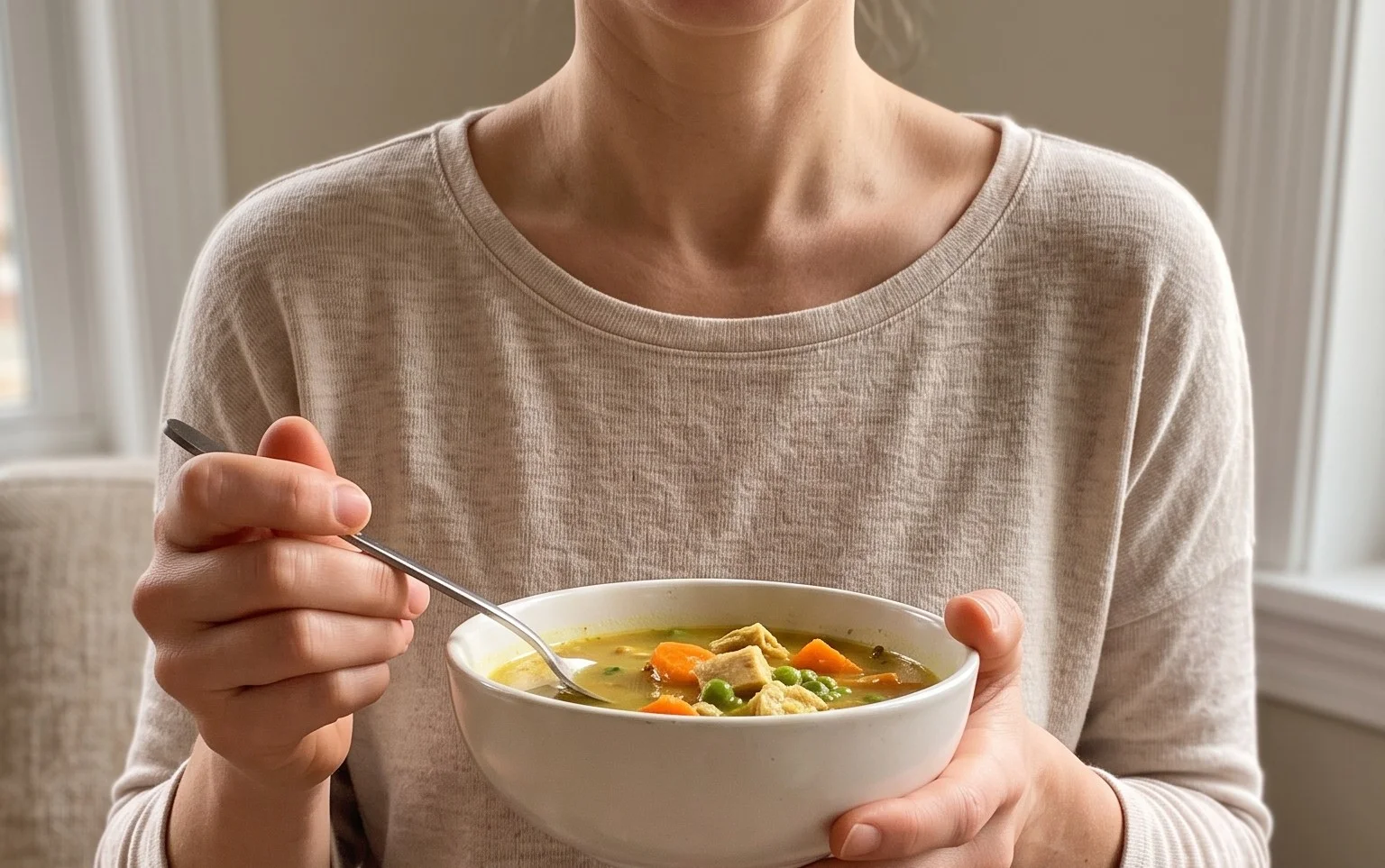
Anti-Inflammatory Turmeric Chicken Soup: A Comforting Path to Wellness
Inflammation is a natural and often vital process our bodies use to protect themselves and begin healing. Think of the redness and swelling around a cut – that’s inflammation at work. However, when inflammation becomes chronic, meaning it lingers for a long time, it can contribute to a wide range of health issues. This is where dietary choices, like incorporating anti-inflammatory foods, can play a significant role in supporting our well-being. One such comforting and delicious option is anti-inflammatory turmeric chicken soup.
What is Anti-Inflammatory Turmeric Chicken Soup?
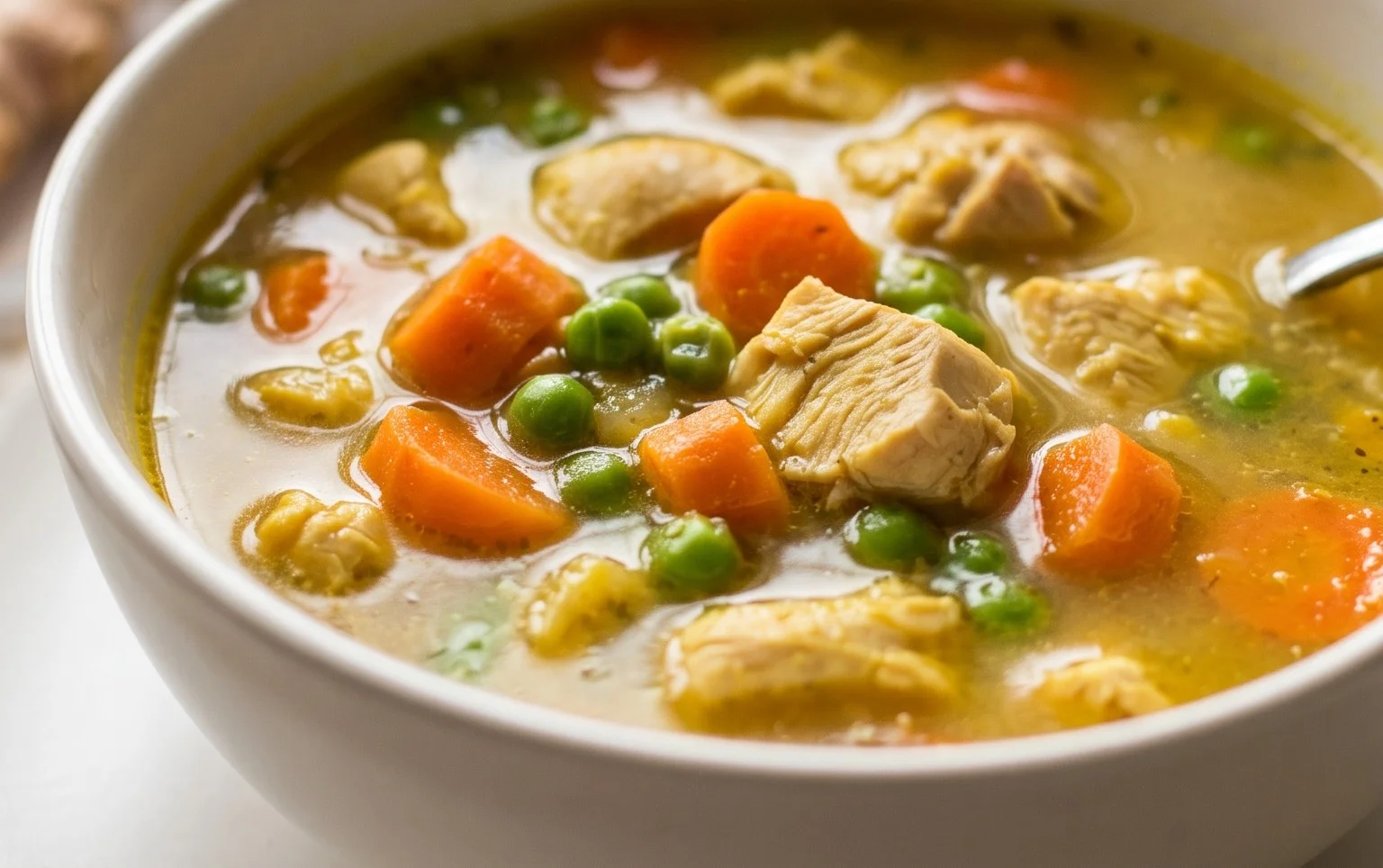
In simple terms, anti-inflammatory turmeric chicken soup is a wholesome dish that combines the classic comfort of chicken soup with ingredients known for their anti-inflammatory properties. The star of the show is turmeric, a vibrant yellow spice with a warm, earthy flavor. Turmeric contains a powerful compound called curcumin, which is the primary driver of its anti-inflammatory and antioxidant effects. Beyond turmeric, this soup typically includes other beneficial ingredients like ginger, garlic, bone broth (rich in minerals and amino acids), and a variety of colorful vegetables. These components work together synergistically to create a nourishing meal that can help soothe the body and potentially mitigate some of the effects of chronic inflammation. It’s not a magic cure, but rather a delicious way to incorporate disease-fighting nutrients into your diet.
Common Signs or Factors Associated with Inflammation
Recognizing the signs of chronic inflammation can empower you to make proactive health choices. While not a definitive diagnostic tool, some common indicators and contributing factors include:
* Persistent fatigue that doesn’t improve with rest.
* Frequent infections or feeling run down.
* Digestive issues, such as bloating, gas, or changes in bowel habits.
* Joint pain or stiffness, particularly in the morning.
* Skin problems like rashes, acne, or eczema.
* Difficulty concentrating or “brain fog.”
* Weight gain or difficulty losing weight, especially around the midsection.
* Elevated stress levels.
* Poor dietary habits, such as a diet high in processed foods, sugar, and unhealthy fats.
* Lack of regular physical activity.
* Inadequate sleep.
* Exposure to environmental toxins.
It’s important to remember that these signs can also be indicative of many other health conditions, so they should not be solely attributed to inflammation without professional evaluation.
General Guidance on Diet and Inflammation
Leading health authorities consistently emphasize the importance of a balanced, nutrient-dense diet for managing inflammation. The general guidance often points towards an eating pattern rich in:
* **Fruits and Vegetables:** These are packed with antioxidants, vitamins, and minerals that combat cellular damage. Aim for a wide variety of colors to ensure a broad spectrum of nutrients.
* **Whole Grains:** Opt for whole, unprocessed grains over refined versions. They provide fiber and essential nutrients that support gut health and overall well-being.
* **Healthy Fats:** Include sources like fatty fish (rich in omega-3 fatty acids), nuts, seeds, and olive oil. These fats have anti-inflammatory properties.
* **Lean Proteins:** Choose lean sources of protein, such as poultry, fish, beans, and legumes.
* **Herbs and Spices:** Incorporate anti-inflammatory spices like turmeric, ginger, garlic, cinnamon, and cloves.
Conversely, general recommendations often advise limiting or avoiding:
* **Processed Foods:** These are often high in unhealthy fats, sugar, and sodium, which can promote inflammation.
* **Sugary Drinks and Added Sugars:** Excessive sugar intake can trigger inflammatory responses in the body.
* **Unhealthy Fats:** Saturated and trans fats found in fried foods and many processed snacks can contribute to inflammation.
* **Refined Carbohydrates:** White bread, white rice, and pastries can cause rapid spikes in blood sugar, which may contribute to inflammation.
Incorporating meals like anti-inflammatory turmeric chicken soup aligns well with these general dietary principles by providing a concentrated source of beneficial ingredients.
Practical Everyday Habits for an Anti-Inflammatory Lifestyle
Beyond enjoying delicious soups, adopting a few practical habits can significantly contribute to an anti-inflammatory lifestyle:
* **Prioritize Sleep:** Aim for 7-9 hours of quality sleep per night. Sleep is crucial for cellular repair and immune function.
* **Manage Stress:** Find healthy ways to cope with stress, such as meditation, deep breathing exercises, yoga, spending time in nature, or engaging in hobbies you enjoy.
* **Move Your Body Regularly:** Engage in regular physical activity that you enjoy. This can include walking, swimming, cycling, dancing, or strength training.
* **Stay Hydrated:** Drink plenty of water throughout the day. Proper hydration is essential for all bodily functions, including detoxification.
* **Eat Mindfully:** Pay attention to your body’s hunger and fullness cues. Savor your meals and avoid eating when stressed or distracted.
* **Consider Bone Broth:** Regularly incorporating bone broth, as found in many turmeric chicken soup recipes, can be beneficial due to its nutrient profile.
* **Spice Up Your Meals:** Make a habit of using turmeric, ginger, garlic, and other anti-inflammatory spices in your cooking.
* **Choose Whole Foods:** Base your meals around fresh, unprocessed ingredients as much as possible.
These habits, when practiced consistently, can create a powerful synergy that supports your body’s natural ability to manage inflammation.
What the Evidence Does and Does Not Support
The scientific community has invested considerable effort in understanding the effects of turmeric, particularly its active compound curcumin, on inflammation.
What the evidence generally supports:
* **Curcumin’s Anti-Inflammatory Properties:** Numerous studies, largely from laboratory and animal research, suggest that curcumin has significant anti-inflammatory and antioxidant effects. It is thought to work by blocking certain inflammatory pathways in the body.
* **Potential Benefits for Joint Health:** Some research indicates that curcumin may help alleviate symptoms of osteoarthritis, such as pain and stiffness, due to its anti-inflammatory actions.
* **Antioxidant Effects:** Curcumin is a potent antioxidant, meaning it can help neutralize harmful free radicals that can damage cells and contribute to chronic diseases.
What the evidence does NOT definitively support (or where more research is needed):
* **Cure for Specific Diseases:** While promising, turmeric and curcumin are not a cure for any specific disease. They are best viewed as supportive elements within a broader healthy lifestyle.
* **Dosage and Absorption:** The bioavailability (how well the body absorbs and utilizes) of curcumin from turmeric can be low. Many studies investigate ways to enhance absorption, often by combining it with black pepper (containing piperine) or consuming it with fats. However, recommending specific dosages or consumption methods is outside the scope of general guidance.
* **Long-Term Efficacy in Humans:** While promising, more large-scale, long-term human trials are needed to fully understand the sustained benefits and optimal use of turmeric and curcumin for various health conditions.
* **Directly Replacing Medical Treatments:** Turmeric-based foods and supplements should not be seen as a replacement for prescribed medical treatments for inflammatory conditions.
It is crucial to approach claims about any single food or ingredient with a balanced perspective. Anti-inflammatory turmeric chicken soup is a valuable addition to a healthy diet, but it’s part of a larger picture.
Common Myths Worth Correcting
* **Myth 1: Turmeric is a magic bullet that will instantly cure all inflammation.** Reality: While turmeric is a powerful anti-inflammatory food, it’s one component of a larger healthy lifestyle. It works best when integrated into a balanced diet and combined with other supportive habits. Quick fixes are rarely sustainable or effective in the long term.
* **Myth 2: You need to take large amounts of turmeric supplements to get any benefit.** Reality: While supplements can offer concentrated doses, incorporating turmeric into your cooking regularly can also contribute to your intake. The benefits of whole foods come from the synergistic effect of all their nutrients, not just one isolated compound.
* **Myth 3: Turmeric soup is only for people who are already sick.** Reality: Anti-inflammatory foods are beneficial for everyone, not just those experiencing active inflammation. They can play a role in preventive health and maintaining overall well-being.
* **Myth 4: All turmeric products are the same.** Reality: The quality and concentration of curcumin can vary significantly between different turmeric products and even in the spice itself, depending on its freshness and how it’s processed.
When to Speak to a Qualified Healthcare Professional
While incorporating anti-inflammatory turmeric chicken soup and adopting healthy habits can be beneficial, it’s essential to recognize when professional medical advice is needed. You should consult a qualified healthcare professional if you:
* Experience persistent or severe symptoms that concern you.
* Have been diagnosed with a chronic inflammatory condition.
* Are considering significant dietary changes or using supplements, especially if you have existing health conditions or are taking medications.
* Are unsure about the best approach to managing inflammation for your specific situation.
* Notice any new or worsening symptoms that could be related to inflammation.
A healthcare professional can provide an accurate diagnosis, discuss appropriate treatment options, and offer personalized guidance tailored to your individual health needs and medical history. They can help you understand what dietary strategies, including the use of turmeric, might be most beneficial for you.
Conclusion
Embracing the power of anti-inflammatory foods like this turmeric chicken soup can be a gentle yet effective way to support your well-being. Remember, the key lies in making small, sustainable shifts in your daily routine rather than aiming for overwhelming changes. Gradually incorporating nourishing ingredients and mindful practices can lead to lasting improvements in how you feel. This article offers general information to inspire your healthy eating journey. It is not a substitute for professional medical advice, so please consult with a healthcare provider for personalized guidance. We encourage you to explore further and discover more ways to enhance your health through nutrition.