Moon Milk Tea: A Magical Blue Bedtime Drink is a delightful and soothing beverage gaining popularity for its potential to promote relaxation and improve sleep. This comforting warm drink, often infused with calming ingredients and a beautiful natural blue hue, offers a gentle way to wind down after a busy day. It matters because consistent, restful sleep is foundational to our overall well-being, impacting mood, energy levels, and cognitive function. This article is most relevant to anyone seeking a natural, enjoyable addition to their evening routine, particularly those looking for a non-caffeinated option to prepare their bodies and minds for sleep. We will explore the key ingredients that contribute to its calming properties, the benefits of incorporating a bedtime ritual, and simple ways to create your own comforting cup. Discover how this enchanting blue drink can become a cherished part of your self-care journey towards more peaceful nights.

Moon Milk Tea: A Magical Blue Bedtime Drink
The quest for a restful night’s sleep is a journey many of us embark on nightly. In recent years, a vibrant blue concoction, often referred to as “moon milk,” has captured attention as a potential bedtime aid. This naturally colored beverage, typically made with a base of warm milk (dairy or plant-based), infused with calming ingredients, and often featuring butterfly pea flower for its striking hue, promises a touch of magic to wind down. But beyond its aesthetic appeal, what exactly is moon milk, and can it truly contribute to a better night’s sleep?
Understanding Moon Milk: What It Is and Why It’s Blue
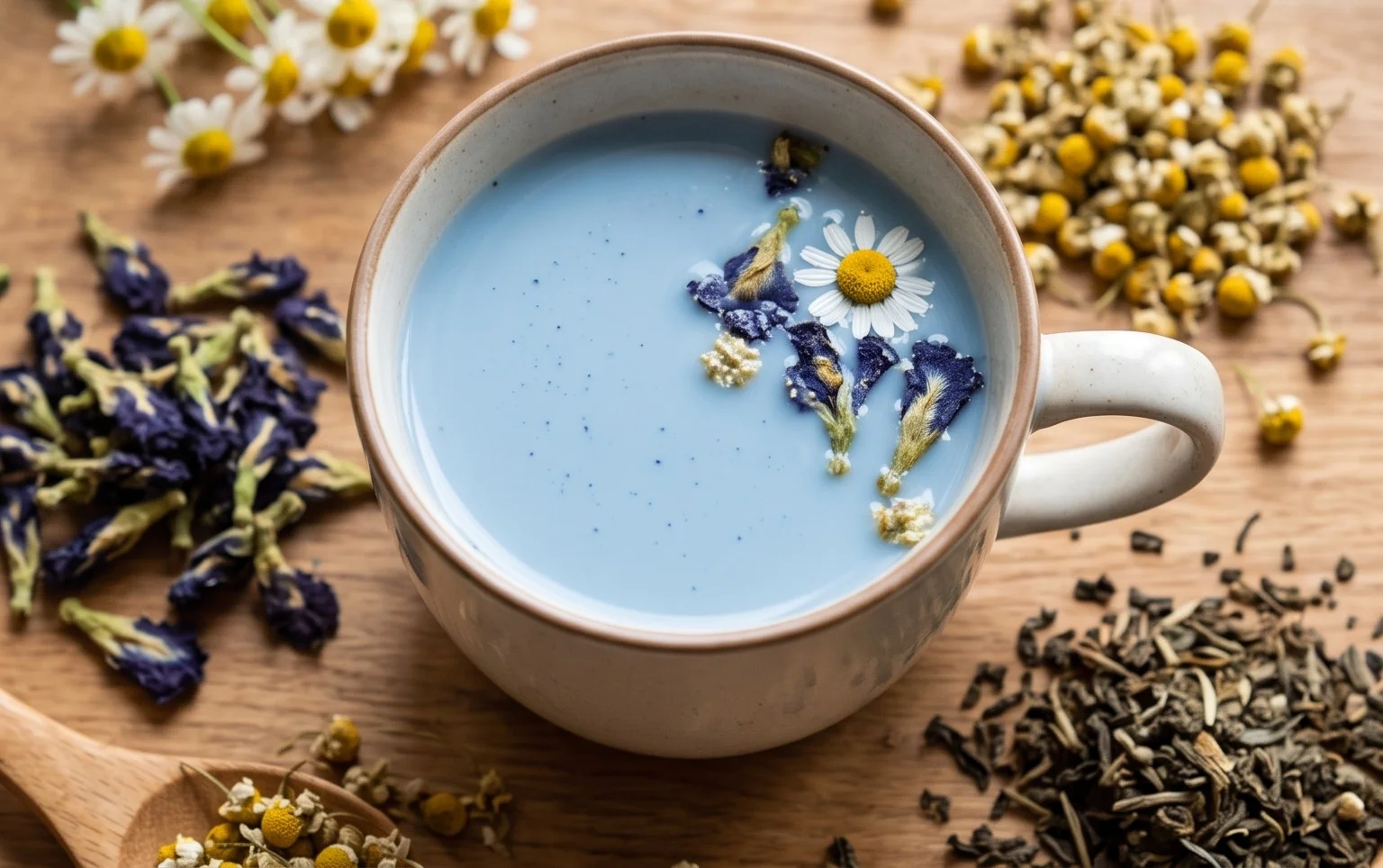
At its core, moon milk is a warm beverage designed to promote relaxation before sleep. Think of it as a soothing, slightly sweet, and often subtly spiced drink that replaces the usual cup of tea or coffee in the evening. The “magic” in its name often refers to its enchanting blue color, which is typically derived from butterfly pea flowers. These dried flowers, when steeped in hot water, release a beautiful indigo hue. When combined with the creamy base of milk and sometimes a touch of an acidic ingredient like lemon, the color can transform into shades of purple or even pink, adding to its whimsical nature.
The ingredients commonly found in moon milk are chosen for their perceived calming properties. Beyond the milk and butterfly pea flowers, you might find:
* Warm milk (dairy or a plant-based alternative like almond, oat, or coconut milk)
* Butterfly pea flower
* Sweeteners such as honey, maple syrup, or dates
* Spices like cinnamon, cardamom, or nutmeg
* Sometimes, other calming ingredients like ashwagandha powder, magnesium powder, or lavender.
The preparation is straightforward: warm the milk, steep the butterfly pea flowers (or add powder), strain, and stir in any other desired ingredients. The warmth of the drink itself can be inherently comforting, and the ritual of preparing and sipping it can signal to your body that it’s time to transition from the day’s activities to rest.
Common Signs and Factors Affecting Sleep
The popularity of moon milk is likely fueled by the widespread struggle with sleep. Many people experience difficulties falling asleep, staying asleep, or achieving restorative sleep. Several common factors can contribute to these sleep disturbances:
* **Stress and Anxiety:** Worries about work, finances, relationships, or general life events can keep the mind racing, making it difficult to switch off.
* **Irregular Sleep Schedule:** Going to bed and waking up at different times, especially on weekends, can disrupt the body’s natural circadian rhythm.
* **Poor Sleep Environment:** A bedroom that is too bright, too noisy, or too warm can interfere with sleep quality.
* **Dietary Habits:** Consuming caffeine or non-alcoholic alternative close to bedtime, or eating heavy meals late in the evening, can disrupt sleep.
* **Lack of Physical Activity:** While regular exercise can improve sleep, intense workouts close to bedtime might have the opposite effect.
* **Screen Time Before Bed:** The blue light emitted from electronic devices can suppress melatonin production, a hormone crucial for sleep.
* **Underlying Health Conditions:** Certain medical conditions, such as sleep apnea, restless legs syndrome, chronic pain, or hormonal imbalances, can significantly impact sleep.
* **Medications:** Some medications have side effects that can include insomnia or altered sleep patterns.
Recognizing these factors is the first step toward addressing sleep issues. Moon milk, in this context, is often seen as a gentle, natural way to introduce a positive bedtime ritual that might help mitigate some of these influences.
General Guidance for Better Sleep
Health authorities consistently emphasize the importance of good sleep hygiene for overall well-being. While specific recommendations can vary, the general guidance often revolves around establishing consistent routines and creating an optimal sleep environment.
Key principles typically include:
* **Consistency is Key:** Aim to go to bed and wake up around the same time every day, even on weekends, to regulate your body’s internal clock.
* **Create a Relaxing Bedtime Routine:** This can involve activities like taking a warm bath, reading a book (a physical one, not on a screen), listening to calming music, or practicing gentle stretching. The goal is to create a transition period that signals to your body that it’s time to wind down.
* **Optimize Your Sleep Environment:** Ensure your bedroom is dark, quiet, and cool. Consider blackout curtains, earplugs, or a white noise machine if needed.
* **Limit Stimulants and Heavy Meals Before Bed:** Avoid caffeine and non-alcoholic alternative in the hours leading up to bedtime. Steer clear of large, heavy meals as well.
* **Regular Physical Activity:** Engage in regular exercise, but try to avoid vigorous workouts in the few hours before you plan to sleep.
* **Mindful Screen Use:** Disconnect from electronic devices at least an hour before bed. If you must use screens, consider using blue light filters.
* **Manage Stress:** Incorporate stress-reducing techniques into your day, such as meditation, deep breathing exercises, or journaling.
Moon milk can fit into this framework as part of a relaxing bedtime routine. Its warm nature and the inclusion of potentially calming ingredients can contribute to this winding-down process.
Practical Everyday Habits to Act On
Beyond the specific ingredients of moon milk, adopting a holistic approach to sleep can yield significant benefits. Here are some practical everyday habits you can start implementing:
* **Establish a “Wind-Down” Window:** Designate the hour or two before bed as your “wind-down” time. This means actively disengaging from work, demanding tasks, and stressful conversations.
* **Hydration, But Not Too Much:** Drink plenty of water throughout the day, but try to limit fluid intake in the hour or two before bed to reduce nighttime awakenings for bathroom trips.
* **Mindful Eating Throughout the Day:** Pay attention to how different foods affect your energy levels and digestion. Avoid processed foods and excessive sugar.
* **Daylight Exposure:** Get natural sunlight exposure, especially in the morning. This helps regulate your circadian rhythm.
* **Gentle Movement:** Incorporate gentle stretching or yoga into your evening routine to release physical tension.
* **Journaling:** If your mind races with thoughts, consider journaling before bed to get them out of your head and onto paper.
* **Create a “No-Tech” Zone:** Make your bedroom a sanctuary for sleep by keeping all electronic devices out.
Incorporating a warm, soothing drink like moon milk into this wind-down window can be a pleasant addition, helping to solidify the transition into relaxation.
What the Evidence Does and Does Not Support
The idea of a calming beverage before bed is appealing, and many ingredients found in moon milk have traditional uses associated with relaxation. However, it’s important to differentiate between anecdotal evidence and scientifically proven effects.
What the evidence generally supports:
* **The Power of Ritual:** The act of preparing and consuming a warm beverage can be a powerful ritual that signals relaxation and signals to the body that it’s time to wind down. This psychological aspect can be very effective in promoting sleep.
* **Warmth and Comfort:** Warm liquids are often perceived as soothing and can promote a sense of comfort, which can be conducive to sleep.
* **Hydration:** Staying adequately hydrated is important for overall health, including sleep.
* **Specific Ingredients (with caveats):** Some individual ingredients within moon milk have been studied for their potential sleep-promoting properties, though research is often preliminary or limited. For example, some studies suggest magnesium may play a role in sleep regulation, and certain herbal teas like chamomile are traditionally used for their calming effects.
What the evidence does *not* strongly support:
* **”Magical” Sleep Cures:** Moon milk, or any single beverage, is unlikely to be a cure-all for significant sleep disorders. It is a supplementary tool, not a primary treatment.
* **Specific Efficacy of Blue Color:** The blue color itself, derived from butterfly pea flower, is primarily aesthetic and does not inherently possess sleep-inducing properties.
* **Dosage-Dependent Efficacy:** Without specific clinical trials on a moon milk formulation, it’s impossible to determine effective dosages for its ingredients. General recommendations for individual supplements should not be extrapolated to a mixed beverage.
* **”Miracle” Sleep Properties of the Combination:** While individual ingredients might have some basis for their traditional use, the specific combination in moon milk has not been extensively studied as a singular entity with proven, superior sleep-inducing effects beyond the sum of its parts or the ritual itself.
It’s crucial to approach moon milk as a tool to enhance a healthy sleep routine rather than a standalone solution.
Common Myths Worth Correcting
As moon milk gains popularity, several misconceptions can arise. Let’s address some common myths:
* **Myth 1: Moon milk will instantly put you to sleep.** While it can aid relaxation, it’s not a sedative. The effectiveness depends on individual factors and the overall sleep hygiene practices in place.
* **Myth 2: The blue color is inherently sleep-inducing.** The color is a result of butterfly pea flowers and is primarily for visual appeal. The actual sleep-promoting properties, if any, come from other ingredients or the ritual itself.
* **Myth 3: You need expensive or exotic ingredients for it to work.** Simple, readily available ingredients like warm milk, a touch of honey, and common spices can create a comforting and effective bedtime drink.
* **Myth 4: It’s a substitute for professional medical advice.** If you are experiencing chronic sleep problems, moon milk is not a replacement for consulting with a healthcare professional.
When to Speak to a Qualified Professional
While moon milk and good sleep hygiene can be beneficial for many, there are times when seeking professional help is essential. If you experience any of the following, it’s important to consult with a doctor or other qualified healthcare provider:
* **Persistent Difficulty Falling Asleep or Staying Asleep:** If sleep problems are occurring most nights for several weeks and are significantly impacting your daily functioning.
* **Excessive Daytime Sleepiness:** Feeling overwhelmingly tired during the day, even after what you believe was a full night’s sleep.
* **Loud Snoring or Episodes of Stopped Breathing:** These can be signs of sleep apnea, a serious condition that requires medical attention.
* **Unusual Sensations in Your Legs at Night:** Such as an irresistible urge to move them, which could indicate restless legs syndrome.
* **Significant Changes in Mood or Cognitive Function:** If your sleep issues are accompanied by persistent irritability, difficulty concentrating, or memory problems.
* **Underlying Health Concerns:** If you suspect a medical condition or medication might be contributing to your sleep problems.
A qualified healthcare professional can accurately diagnose the cause of your sleep difficulties and recommend the most appropriate course of treatment, which may include lifestyle changes, therapy, or medication. They can also advise on whether any supplements or dietary changes are safe and beneficial for your specific situation.
Conclusion
As we drift towards sleep, incorporating calming rituals can significantly enhance our well-being. Moon milk tea, with its soothing ingredients and gentle preparation, offers a delightful way to unwind. Remember, the key is to embrace small, sustainable changes. Rather than overhauling your entire routine, consider making this blue bedtime drink a regular part of your evening wind-down. It’s a simple, mindful step towards better sleep and overall health. Please note that this information is for general guidance only and should not replace professional medical advice. If you have specific health concerns, consult with a qualified healthcare provider. We encourage you to explore further into the world of natural sleep aids and wellness practices.