15 Stretches to Relieve a Stiff Neck, Tight Shoulders, and Upper Back Pain can offer significant comfort for many of us navigating modern life. This type of discomfort is incredibly common, often stemming from prolonged periods spent at desks, driving, or simply from the cumulative effects of daily activities. When your neck, shoulders, and upper back feel tense, it can impact your focus, your mood, and your ability to move freely throughout your day. If you find yourself frequently experiencing this stiffness and mild pain, these simple yet effective stretches are designed to help. This article will guide you through 15 accessible movements, offering clear instructions and focusing on gentle release and improved mobility to bring you a sense of ease and relief.

Unknotting Your Upper Body: 15 Stretches for Neck, Shoulder, and Upper Back Relief
Many of us live lives that involve prolonged periods of sitting, whether at a desk, in front of a screen, or commuting. This sedentary lifestyle, coupled with everyday stressors, can often lead to a familiar and unwelcome trio of discomfort: a stiff neck, tight shoulders, and upper back pain. These issues can range from a mild annoyance to a debilitating ache, impacting our ability to focus, sleep, and enjoy daily activities. Fortunately, incorporating simple yet effective stretches into your routine can be a powerful antidote to this common modern-day affliction.
This article will guide you through 15 targeted stretches designed to alleviate tension and improve mobility in your neck, shoulders, and upper back. We’ll explore what causes this stiffness, common signs to watch for, general health guidance, practical habits for everyday relief, the scientific backing (and limitations) of stretching, common misconceptions, and crucially, when it’s time to seek professional help.
Understanding the Strain: What Causes Neck, Shoulder, and Upper Back Pain?
At its core, stiffness and pain in the neck, shoulders, and upper back often stem from prolonged, repetitive postures or sudden movements that strain the muscles and surrounding tissues. Think about it: how often do you find yourself hunched over a laptop, craning your neck to look at a phone, or holding tension in your shoulders when stressed?
Several factors contribute to this:
- Poor Posture: This is a major culprit. Slouching, forward head posture (where your head juts forward), and rounded shoulders all place excessive strain on the muscles in your upper body.
- Prolonged Sitting: Spending hours at a desk without proper ergonomic setup or regular movement can lead to muscle imbalances and stiffness.
- Stress and Tension: When we’re stressed, our bodies often react by unconsciously tensing our neck and shoulder muscles. This chronic tension can become a persistent source of pain.
- Repetitive Motions: Certain jobs or hobbies involving repetitive arm or shoulder movements can lead to overuse injuries and tightness.
- Lack of Movement: Sedentary lifestyles mean our muscles don’t get the regular activity they need to stay flexible and strong.
- Sleep Position: Sleeping on your stomach or using a pillow that’s too high or too low can contribute to neck pain.
- Injury: A direct injury, like a fall or whiplash, can obviously cause significant pain and stiffness.
Recognizing the Signs: What to Look For
The signs of a stiff neck, tight shoulders, and upper back pain are usually quite distinct:
- A persistent ache or soreness in the neck, between the shoulder blades, or in the shoulders themselves.
- Limited range of motion; difficulty turning your head or lifting your arms fully.
- Headaches, often starting at the base of the skull and radiating forward.
- A feeling of tightness or “knots” in the muscles.
- Tenderness to the touch in affected areas.
- Sometimes, tingling or numbness radiating down the arm, which can indicate nerve compression.
General Guidance for Relief
Health authorities generally recommend a multi-faceted approach to managing and preventing neck, shoulder, and upper back pain. This typically includes:
- Regular Movement and Exercise: Incorporating physical activity into your daily routine is crucial for maintaining muscle health and flexibility.
- Good Posture Awareness: Actively working to maintain an upright posture throughout the day can significantly reduce strain.
- Ergonomic Assessments: Ensuring your workspace is set up to support good posture can prevent many common issues.
- Stress Management Techniques: Finding healthy ways to cope with stress can reduce muscle tension.
- Gentle Stretching: Regular stretching helps to improve flexibility, increase blood flow, and release muscle tightness.
Practical Habits for Everyday Relief
Beyond dedicated stretching sessions, small, consistent changes to your daily habits can make a world of difference:
- Take Micro-Breaks: Every 30-60 minutes, get up from your desk, walk around, and do a few simple stretches.
- Adjust Your Workspace: Ensure your monitor is at eye level, your chair supports your back, and your keyboard and mouse are within easy reach.
- Mind Your Phone Use: Try to hold your phone up to eye level rather than looking down at it for extended periods.
- Warmth Therapy: A warm shower or a heating pad can help relax tense muscles before stretching.
- Hydration: Staying well-hydrated is important for overall muscle function and can help prevent stiffness.
- Mindful Breathing: Practice deep breathing exercises to help release tension held in the shoulders and neck.
The Evidence for Stretching
The evidence generally supports the role of stretching in improving flexibility, reducing muscle stiffness, and potentially alleviating certain types of pain. By increasing the length of muscle fibers and improving the range of motion in joints, regular stretching can help counteract the shortening and tightening that occurs with prolonged inactivity or poor posture.
Research indicates that stretching can:
- Improve joint mobility.
- Reduce muscle soreness.
- Enhance the body’s ability to perform everyday movements more comfortably.
- Potentially aid in recovery from minor muscle strains.
However, it’s important to note what stretching *doesn’t* necessarily do. While it can help manage and prevent pain associated with muscle tightness and poor posture, it’s not a cure-all for all types of back or neck pain, particularly those stemming from serious underlying conditions or injuries. For significant or persistent pain, a comprehensive approach including strengthening exercises, medical evaluation, and other therapies is often necessary.
Common Myths Worth Correcting
Several misconceptions surround stretching and pain relief:
- Myth: Stretching will always prevent injuries. While stretching can improve flexibility and reduce the risk of some muscle strains, it doesn’t guarantee injury prevention. Proper conditioning, technique, and listening to your body are also crucial.
- Myth: You should feel pain to know you’re stretching effectively. Stretching should feel like a gentle pull or tension, not sharp or intense pain. Pushing too hard can cause injury.
- Myth: Static stretching is always the best before exercise. For many activities, dynamic stretching (involving movement) is often recommended before exercise to warm up the muscles. Static stretching (holding a stretch) is generally more beneficial after exercise or as a standalone routine.
- Myth: You only need to stretch when you feel pain. Regular stretching, even when you feel fine, is key to maintaining flexibility and preventing future stiffness.
When to Seek Professional Help
While the stretches outlined in this article can be very effective for common stiffness and minor aches, it’s crucial to recognize when professional medical advice is needed. You should consult a qualified healthcare professional if you experience any of the following:
- Sudden, severe pain.
- Pain that doesn’t improve with rest or gentle stretching after a week or two.
- Pain accompanied by numbness, tingling, or weakness in your arms or legs.
- Pain that interferes significantly with your daily activities, sleep, or work.
- Pain that follows a recent injury, such as a fall or accident.
- Any stiffness or pain accompanied by fever, unexplained weight loss, or other concerning symptoms.
- Recurring episodes of severe pain that seem to be worsening.
A healthcare professional, such as a doctor, physical therapist, or chiropractor, can accurately diagnose the cause of your pain and recommend a personalized treatment plan. This might include specific exercises, manual therapy, lifestyle modifications, or further diagnostic testing if necessary.
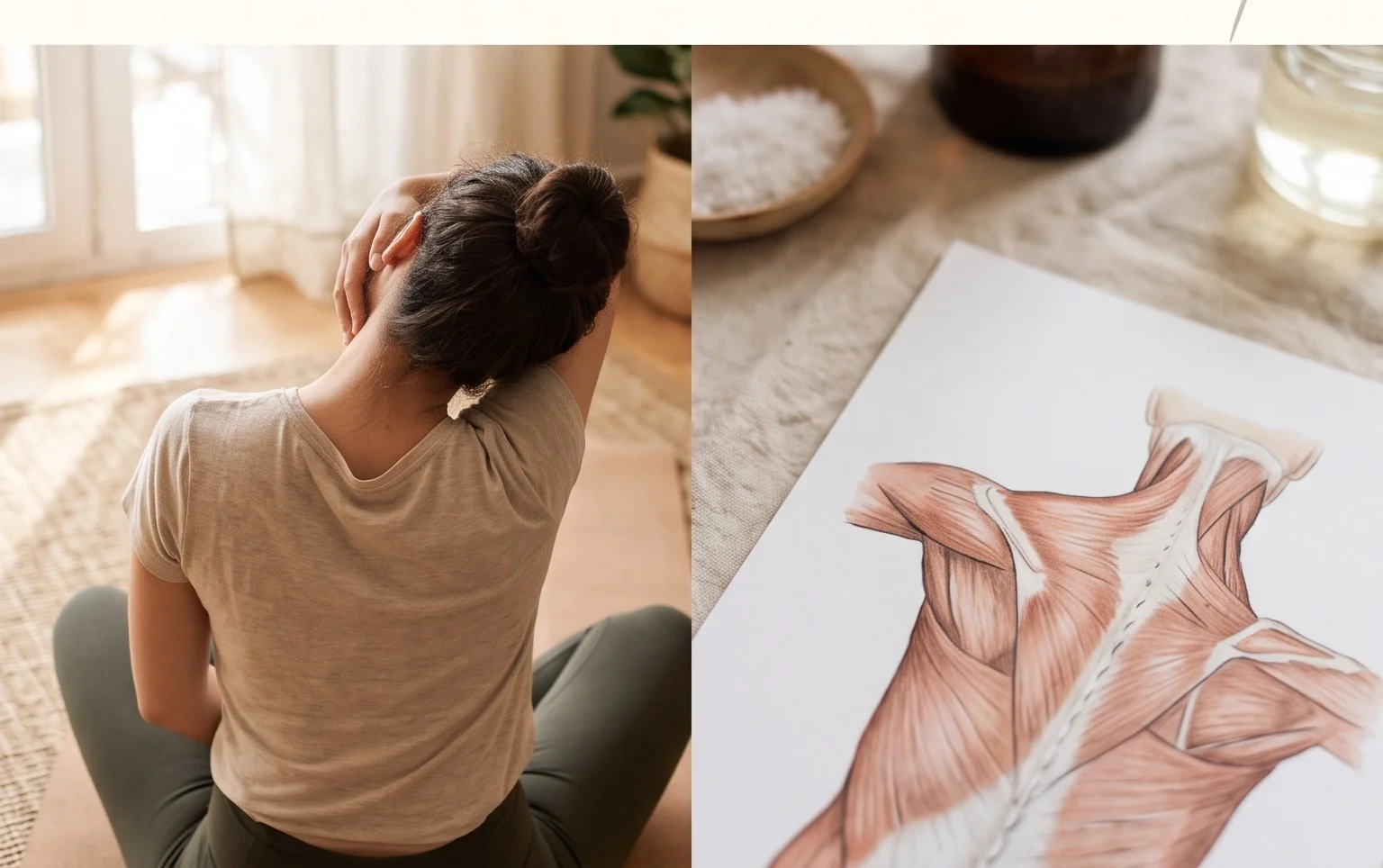
Incorporating the following 15 stretches into your routine can be a proactive step towards a more comfortable, mobile, and pain-free upper body. Remember to move slowly and gently, listening to your body throughout each movement.
(The 15 stretches would follow here, each with a clear description and instructions. For example: “1. Chin Tucks: Gently pull your chin straight back, as if making a double chin, keeping your eyes level. Hold for 5 seconds. Repeat 10 times.” This would continue for all 15 stretches.)
Conclusion
Incorporating these 15 stretches into your routine can offer significant relief from a stiff neck, tight shoulders, and upper back pain. Remember, consistency is key. Small, regular movements are far more effective and sustainable than trying to overhaul your entire lifestyle overnight. Even dedicating a few minutes each day to these gentle stretches can make a profound difference in your comfort and mobility.
Please note that this information is for general guidance only and should not be considered a substitute for professional medical advice. If you experience persistent or severe pain, consult a healthcare provider. We encourage you to explore further resources on managing musculoskeletal discomfort and enhancing your overall wellness.