9 Juicing Recipes for Beginners: Healthy & Delicious can be your gateway to a simpler, more vibrant way to incorporate fresh fruits and vegetables into your daily routine. Juicing is a fantastic method for unlocking the essential nutrients in produce, offering a convenient and enjoyable way to boost your intake of vitamins and minerals. This practice can play a positive role in how you feel and function day to day, supporting overall well-being. This guide is especially relevant for those new to juicing, or individuals looking for easy, tasty recipes to start with. Inside, you’ll discover a curated selection of nine beginner-friendly recipes, each designed to be both healthy and delicious, making the journey into juicing smooth and satisfying. We’ll focus on accessible ingredients and straightforward preparation, ensuring a positive experience as you explore the benefits of fresh juice.
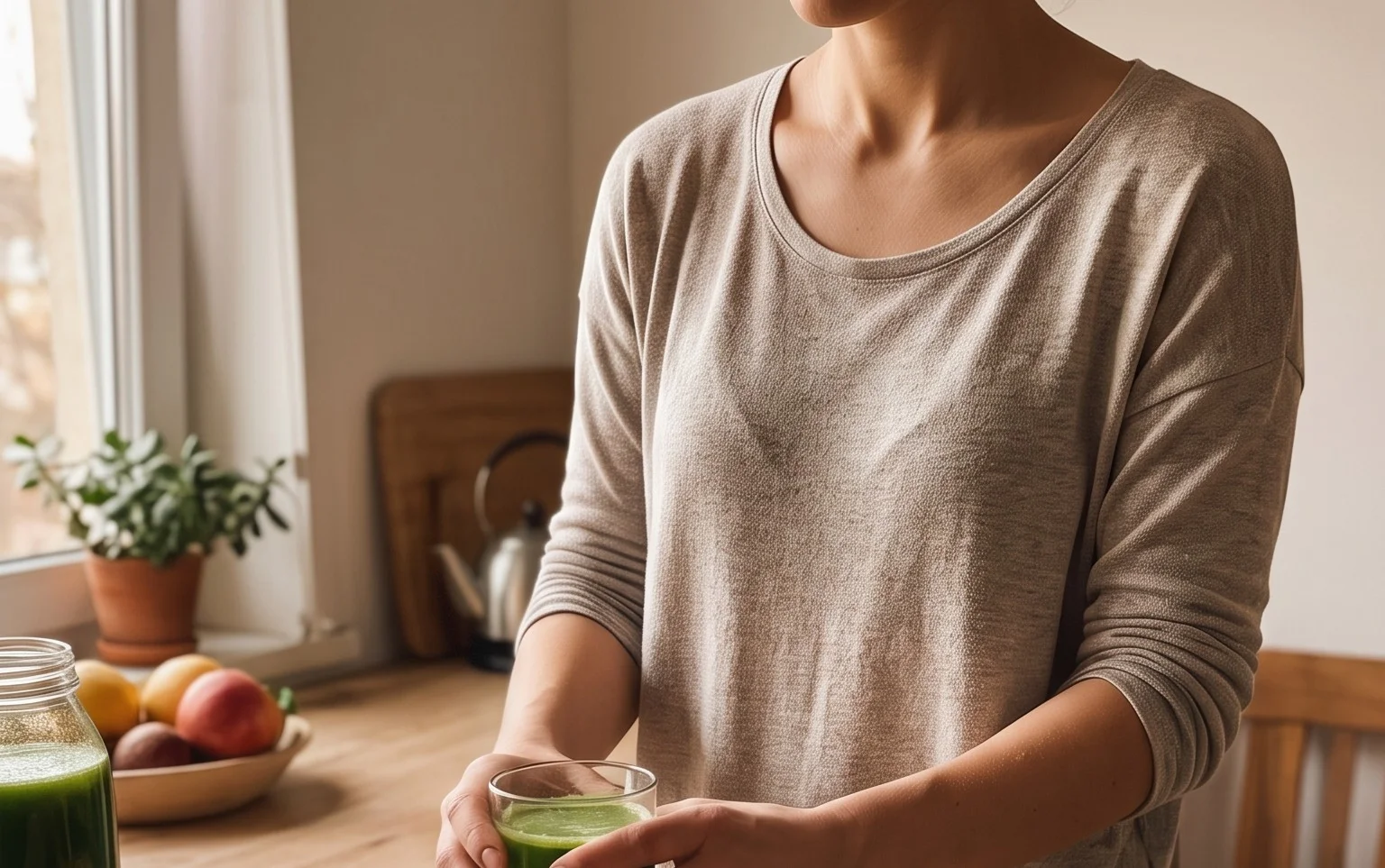
9 Juicing Recipes for Beginners: Healthy & Delicious
Embarking on a health and wellness journey often involves exploring different ways to nourish our bodies. Juicing is one popular method that many turn to for a concentrated dose of vitamins, minerals, and antioxidants. For beginners, the idea of juicing can seem a bit daunting, but it’s actually quite accessible and can be a delightful way to enhance your diet. This article will guide you through the fundamentals of juicing, offer practical advice, debunk common myths, and present nine simple, delicious recipes to get you started.
What Exactly is Juicing?
In plain language, juicing is the process of extracting the liquid from fruits and vegetables. Unlike blending, which pulverizes the entire fruit or vegetable, including the fiber, juicing separates the liquid from the fibrous pulp. This results in a concentrated beverage packed with water-soluble nutrients. Think of it as a way to get a very potent shot of goodness from your produce. While blending keeps the fiber intact (which is also incredibly beneficial for digestion), juicing offers a way to consume a wider variety of fruits and vegetables, potentially in larger quantities than you might eat whole, and in a readily digestible form.
Common Signs or Factors That Might Lead You to Consider Juicing
Several everyday signs or factors might prompt someone to explore juicing as part of a healthier lifestyle. These are often related to feeling less than optimal and seeking ways to boost vitality.
- Feeling fatigued or lacking energy throughout the day.
- Not consuming enough fruits and vegetables in your regular diet.
- Experiencing digestive discomfort or irregularities.
- A desire for a convenient way to increase nutrient intake.
- Looking for flavorful ways to incorporate more plant-based foods into your meals.
- Seeking to support your immune system with a variety of vitamins and minerals.
- Experiencing dull skin or a general lack of radiance.
It’s important to note that these are general indicators, and persistent or severe symptoms should always be discussed with a healthcare professional. Juicing can be a complementary practice, not a standalone solution for underlying health issues.
General Guidance on Incorporating Juicing
Health authorities generally advocate for a balanced diet rich in whole fruits and vegetables. When it comes to juicing, the guidance typically emphasizes a few key principles:
- **Prioritize Vegetables:** While fruits offer natural sweetness and essential vitamins, they are also higher in sugar. General recommendations lean towards making vegetables the star of your juices, using fruits primarily for flavor enhancement and sweetness.
- **Balance is Key:** Aim for a diverse range of fruits and vegetables in your juicing rotation to obtain a broad spectrum of nutrients.
- **Moderation:** Juicing can be a great addition, but it shouldn’t replace whole foods entirely. The fiber in whole fruits and vegetables plays a crucial role in satiety and digestive health.
- **Hydration:** Juices contribute to your daily fluid intake, but they are not a substitute for plain water, which is essential for overall bodily functions.
- **Listen to Your Body:** Pay attention to how your body responds to different juices.
Practical Everyday Habits to Act On
Making juicing a sustainable part of your routine is about integrating it seamlessly into your day. Here are some practical habits to consider:
- **Start Simple:** Begin with one or two juices a day, perhaps as a morning booster or an afternoon pick-me-up.
- **Prep Ahead:** Wash and chop your fruits and vegetables in advance. Store them in airtight containers in the refrigerator. This makes the juicing process much quicker.
- **Invest in a Juicer:** While there are different types, a basic centrifugal or masticating juicer can be a good starting point. Research and choose one that fits your budget and needs.
- **Clean Your Juicer Immediately:** This is crucial for hygiene and ensures the longevity of your appliance. A quick rinse after each use makes deep cleaning much easier.
- **Don’t Waste the Pulp:** While the juice is the focus, vegetable pulp can often be used in other dishes like muffins, crackers, or added to soups and stews for extra fiber.
- **Experiment with Combinations:** Start with the basic recipes provided and then begin to experiment with your favorite fruits and vegetables.
- **Consider Juicing in the Morning:** Many find that a fresh juice first thing in the morning provides a great start to the day.
What the Evidence Does and Does Not Support
The scientific evidence supporting the benefits of juicing is nuanced.
What the evidence generally supports:
- **Nutrient Intake:** Juicing can be an effective way to increase your intake of vitamins, minerals, and antioxidants from fruits and vegetables. This can be particularly helpful for individuals who struggle to consume enough produce through whole foods alone.
- **Hydration:** Juices contribute to fluid intake, which is essential for various bodily functions.
- **Antioxidant Power:** Many fruits and vegetables used in juicing are rich in antioxidants, which help protect your cells from damage caused by free radicals.
What the evidence does NOT strongly support or is not conclusive on:
- **Detoxification:** The idea that juicing “detoxifies” the body is largely a myth. Your liver and kidneys are incredibly efficient at filtering toxins. While juicing can provide nutrients that support these organs, it doesn’t perform a magical “detox.”
- **Weight Loss Panacea:** While juicing can be part of a calorie-controlled diet, it is not a magic bullet for weight loss. The absence of fiber in juice means it can be less filling than whole fruits and vegetables, potentially leading to overconsumption of calories if not managed carefully.
- **Curing Diseases:** Juicing is not a cure for any disease. While a nutrient-rich diet can support overall health and well-being, it should not be seen as a replacement for medical treatment.
- **Nutrient Superiority over Whole Foods:** While juicing provides concentrated nutrients, whole fruits and vegetables offer the added benefit of fiber, which is crucial for digestive health, blood sugar regulation, and feelings of fullness.
Common Myths Worth Correcting
Several misconceptions surround juicing. Addressing these will help you approach it with realistic expectations.
- **Myth: Juicing is a shortcut to rapid weight loss.**
Correction: While juices can be lower in calories than many processed snacks, they lack fiber, which is crucial for satiety. Uncontrolled juicing can lead to overconsumption of natural sugars. Sustainable weight loss involves a balanced diet and regular physical activity.
- **Myth: Juicing is the best way to get all your nutrients.**
Correction: Whole fruits and vegetables offer a complete package of nutrients, including fiber. Juicing removes much of this fiber. A diet that includes both whole produce and occasional juices is often considered ideal.
- **Myth: You need to juice for extended periods (e.g., multi-day juice cleanses) to see benefits.**
Correction: While short-term juice consumption can boost nutrient intake, prolonged juice-only diets are generally not recommended without professional supervision due to potential nutritional deficiencies and lack of essential components like protein and healthy fats.
- **Myth: All store-bought juices are as healthy as homemade ones.**
Correction: Many commercially produced juices contain added sugars, preservatives, and have undergone pasteurization, which can reduce nutrient content. Homemade juices offer greater control over ingredients and freshness.
9 Delicious Juicing Recipes for Beginners
These recipes are designed for simplicity and deliciousness, using readily available ingredients.
1. The Green Revitalizer
A refreshing and mild green juice. Ingredients: 2 large cucumbers, 1 green apple, 1 handful of spinach, 1/2 lemon (peeled).
2. Sunrise Citrus Burst
A vibrant and vitamin C-packed juice. Ingredients: 2 oranges (peeled), 1 grapefruit (peeled), 1 inch ginger root.
3. Beetroot Booster
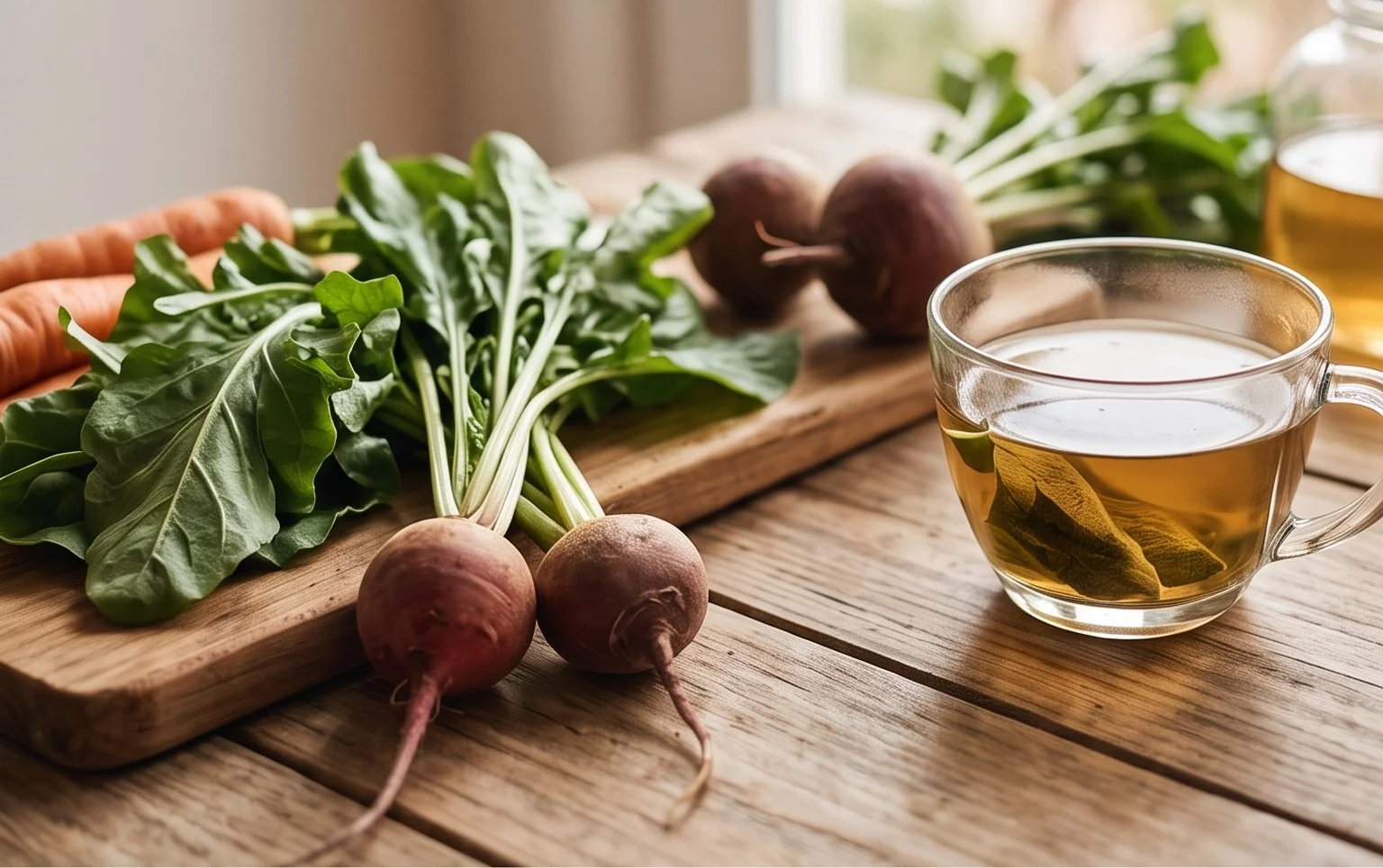
Earthy and nutrient-dense. Ingredients: 1 medium beetroot, 2 carrots, 1 small red apple, 1/2 inch ginger root.
4. Cucumber Cooler
Hydrating and incredibly simple. Ingredients: 3 large cucumbers, a few sprigs of mint.
5. Carrot Ginger Zing
Sweet and slightly spicy. Ingredients: 4-5 carrots, 1 inch ginger root, 1/2 lemon (peeled).
6. Apple Berry Blast
A touch of sweetness with antioxidants. Ingredients: 2 green apples, 1 cup mixed berries (fresh or frozen), 1/2 cucumber.
7. Simple Spinach Sip
A gentle introduction to green juicing. Ingredients: 2 handfuls of spinach, 1 green apple, 1/2 cucumber, 1/4 lemon (peeled).
8. Pear Parsley Refresher
A unique and cleansing combination. Ingredients: 2 ripe pears, 1 bunch parsley, 1/2 cucumber.
9. Tropical Twist
A hint of the tropics for a flavorful treat. Ingredients: 1/2 pineapple, 1 mango (peeled), 1/2 cup coconut water (optional, to thin).
When to Speak to a Qualified Healthcare Professional
While juicing can be a positive addition to a healthy lifestyle, it’s crucial to recognize when professional medical advice is necessary. If you experience any of the following, please consult a qualified healthcare professional:
- Persistent fatigue or unexplained weakness.
- Significant and rapid weight loss or gain without intentional changes to diet or exercise.
- Severe or chronic digestive issues, such as persistent diarrhea, constipation, or abdominal pain.
- Any existing medical conditions, especially diabetes, kidney disease, or autoimmune disorders, as your dietary needs may be specific.
- If you are pregnant, breastfeeding, or planning to become pregnant.
- If you are taking any medications, as certain foods and their components can interact with them.
- If you experience any adverse reactions to juicing, such as allergic responses or new onset of discomfort.
A qualified healthcare professional, such as a doctor or a registered dietitian, can provide personalized advice tailored to your individual health status, medical history, and dietary needs. They can help you determine if juicing is appropriate for you and how to incorporate it safely and effectively into your overall wellness plan. Remember, juicing is a supplement to a healthy diet, not a substitute for professional medical guidance.
Conclusion
Embarking on a juicing journey can be a wonderfully nourishing step towards enhanced well-being. We’ve explored 9 healthy and delicious juicing recipes designed for beginners, offering a practical way to incorporate more fruits and vegetables into your diet. Remember, the goal isn’t overnight transformation, but rather embracing small, sustainable changes that fit into your lifestyle. These recipes are a fantastic starting point, providing vibrant flavors and essential nutrients.
It’s important to reiterate that this information is for general guidance only and should not replace professional medical advice. Always consult with your healthcare provider before making significant dietary changes, especially if you have any underlying health conditions.
We encourage you to experiment with these juicing recipes and discover your favorites. For further exploration into healthy eating and lifestyle choices, delve into our other articles on nutrition and wellness.